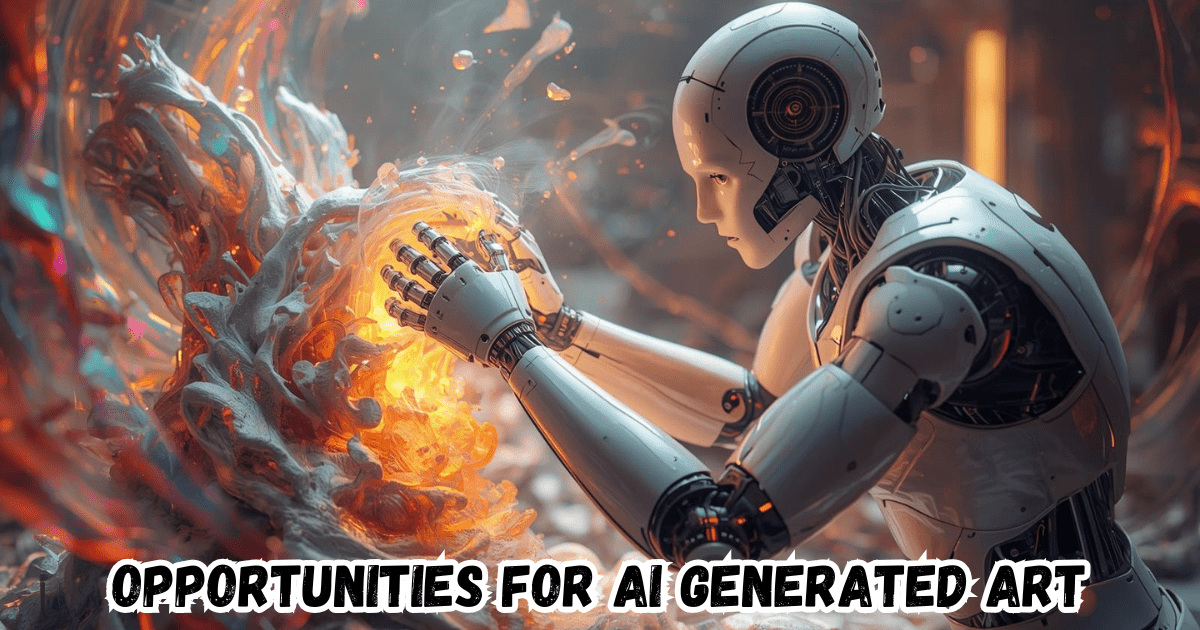
AI-generated art is becoming a pretty hot topic these days, and it’s easy to see why. Thanks to rapid changes in artificial intelligence, creative folks like artists, designers, and hobbyists now have some seriously powerful tools at their fingertips.
You don’t have to be a professional painter or coder to experiment; in fact, some of the coolest visual work I’ve seen recently has come from people who just wanted to play around with text prompts and image generators. This is an exciting space, but it’s also filled with questions about originality, ownership, and where creativity is headed.
How AI-Generated Art Fits Into Today’s Creative World
Watching the growth of AI-generated art feels like seeing a new chapter open up for creativity. AI can whip up everything from hyperrealistic portraits to wild abstract scenes, all with just a line or two of description.
The technology has come a long way from quirky, pixelated experiments. These days, some AI creations have even been auctioned as fine art or featured in major galleries. What’s even more interesting is that these tools aren’t limited to tech-savvy artists.
They’re being picked up by teachers, students, entrepreneurs, and everyday creators. Open source image generators and commercial apps like DALLE, Midjourney, and Stable Diffusion are making art much more accessible.
This switch-up means more people can join in, try out new ideas, and add their voices to an expanding creative community. The possibilities cover everything from digital illustrations used in marketing and comics to concept art for movies and games.
Artists can quickly remix their own works or work alongside AI as a sort of virtual creative partner, testing new styles or finding solutions to creative blocks faster than ever.
It’s worth checking out just how many ways AI art is being used today. Social media, music videos, children’s books, and even virtual reality installations now carry a splash of this next-level cool tech.
Opportunities Brought On By AI-Generated Art
With all the talk about disruption, the idea of AI in art might sound a bit intimidating at first. But the truth is, there are plenty of upsides to working with AI art tools, as much for professionals as for people who like to doodle on the weekends.
- Unlocking New Creative Styles: AI tools can suggest shapes, colors, and compositions I probably wouldn’t have dreamed up on my own. For someone who sometimes gets stuck staring at a blank canvas, this opens the door for a lot more experimentation and happy accidents.
- Speed and Productivity: AI’s skill at handling repetitive tasks, like filling in backgrounds or generating multiple versions of a scene, gives artists more time to fine-tune ideas instead of spending hours on the basics. It’s a genuine time saver for designers or agencies working under tight deadlines.
- Lower Barriers to Entry: Not everyone learns old school drawing techniques, but with AI, you can start making digital art just by typing out a description or picking a style. That helps include people with physical disabilities or those who have never had access to art education.
- Collaboration and Community: Prompt sharing is super popular. People swap their text prompts and build off each other’s results, which sparks lots of creative back-and-forth. It feels a bit like musicians playing a jam session, only anyone can join in and see what happens.
- Brand New Careers and Art Forms: Roles like AI prompt engineering, digital art curation, or AR/VR installation design are brand new for this century. Plus, interactive art lets viewers shape the piece as they experience it, blurring the line between artist and audience.
There’s no doubt AI is helping expand the artist toolbox, and that’s making waves across different industries. For example, media companies use AI for storyboarding, game studios use it to create characters, and marketing teams rely on it for scalable custom graphics. If you’re curious, online communities and AI art galleries make it easy to see just how much these creations have spread.
Common Hurdles and Concerns With AI Art
While AI art has transformed digital creativity, it comes with its own set of headaches. These aren’t always dealbreakers, but they matter if you plan to get involved in this space.
- Bias in Datasets: Most AI models are trained on huge libraries of existing art, and those libraries can reflect all the biases already in society. That means you might spot stereotypical imagery or underrepresentation of some groups in the output.
- Copyright and Intellectual Property: Training datasets often pull in copyrighted works from the web, sometimes without the artist’s say-so. As a result, it gets murky to figure out who owns the final image or how to fairly compensate creators if their work influenced an AI-generated piece. Copyright law is still catching up with these issues, so it’s wise to keep tabs on the debate.
- The Artist’s Livelihood: Because AI can pump out high-quality images in seconds, some designers and concept artists are suddenly competing with free or cheap AI alternatives. That can hit pay rates, job security, and even the long-term future of whole art careers.
- Questioning Authenticity and Intent: Some traditionalists argue that AI art lacks the spark of human experience or emotional drive. Since AI scouts millions of works and mixes ideas together, the results can feel generic compared to art shaped by personal vision or lived experience.
- Rise of Misinformation: It’s now possible for anyone to make fake photos or videos that look almost real. Sometimes that’s good fun or used for storytelling, but it can also fuel deepfakes or fake news, raising concerns for digital safety.
- Homogenization of Style: If everyone starts using the same tools and prompt patterns, you sometimes see a flood of similar-looking art. Overused prompts or popular styles can make things blend together instead of standing out.
Digging Deeper Into Copyright Questions
Copyright issues remain some of the trickiest parts for anyone using or sharing AI-generated art. If the model learned from thousands of well-known artworks, how much of that original style gets “borrowed” for new images?
Groups like the US Copyright Office and courts across Europe are still working to figure out what counts as protected work and what’s just remixing by a tool. The rules are shifting, so anyone working with AI art should keep an eye out for new legislation and guidelines.
The Value of Authenticity in the Digital Age
A classic painting from centuries ago comes with the story of its creator, how it was made, what inspired it, and the emotions behind it. AI art turns that upside down, since the process is more technical, sometimes even anonymous. Some people see this as a chance to redefine creativity, while others argue that something valuable is missing.
Recently, more artists are mixing their own ideas with AI, so the result still has a distinct signature—even if built with digital help. This blend of old and new gives a boost to digital creativity, keeping things lively and personal even as tech takes center stage.
Tips for Getting Started With AI Art Tools
If you’re itching to try out AI art, here are a few simple tips to help you kick things off and keep the creative spark going:
- Start Simple: Choose an accessible platform with a free tier, like Craiyon or Canva’s AI image tools, to mess around and see how prompt-based creation works.
- Experiment With Prompts: Try out different descriptive words and styles; it’s the fastest way to see how the AI interprets them. Online prompt directories can help spark fresh ideas.
- Blend In Manual Touches: Don’t be afraid to take your AI-generated output into a drawing or photo editing app for some tweaks. Personal touches make the final piece stand out as uniquely yours.
- Connect With Communities: Online spaces like Reddit, Discord, and various art forums offer prompt-swapping, demos, and critiquing sessions that can help you get up to speed faster.
- Understand the Ethics: Take the time to read up on copyright, fair use, and transparency in AI datasets. Knowing the basics will help you use these tools responsibly and thoughtfully.
The learning curve really isn’t as steep as it looks, and joining others on the adventure helps you stay inspired while sidestepping rookie mistakes.
Frequently Asked Questions
Thinking about jumping into AI-generated art, or just want to know more? Here are some of the most common questions people have:
Question: Can anyone use AI art generators, or are they only for pros?
Answer: Most AI art tools are designed for everyone, no matter your skill level. Even if you haven’t made digital art before, you can start creating with a simple text prompt in minutes.
Question: Is it legal to sell art made by AI?
Answer: That depends on where you live and the terms of the software you use. Some platforms restrict commercial use; others allow it. Since original creators whose work is in the training data may have rights too, always double-check both the platform’s rules and local laws before selling.
Question: How do I know if an image is AI-generated?
Answer: It’s getting tougher, but subtle glitches or common stylistic quirks often give AI images away. Some sites are introducing ways to help label or verify AI-generated art, but the tech for spotting these fakes keeps evolving.
Question: Will AI art tools replace human artists?
Answer: AI can automate some creative chores and give a boost to inspiration, but nothing beats the ideas and perspective of a human creator. Current trends show AI is more about teaming up with people rather than replacing them altogether.
The Path Forward For AI and Human Artists
AI-generated art is still a new and changing field, and no one can say for sure what’s next. What is clear: artists, tech experts, businesses, and regular creators are all shaping where things go from here.
Responsible use, open conversations on ethics, and flexible legal thinking will help everyone benefit from these new tools without losing what makes art meaningful in the first place.
At its heart, AI art is about curiosity, creativity, and the thrill of watching what once seemed impossible come to life. If you’re interested, there’s never been a better time to get involved and see what you can make.