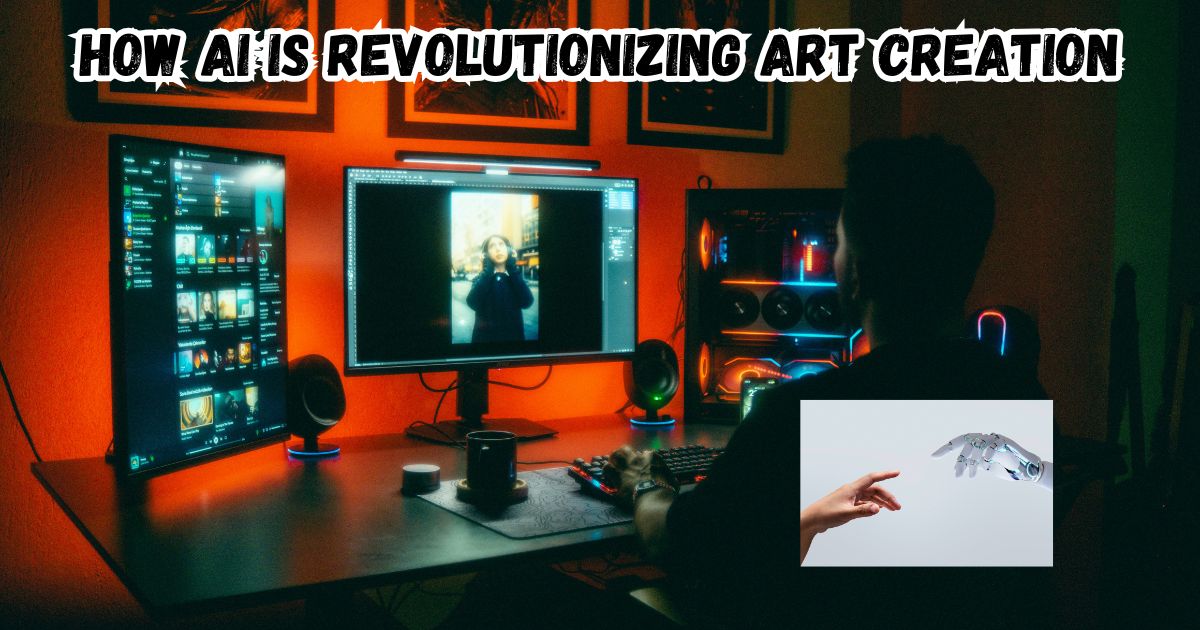
AI is changing how we make and experience art in ways that would have sounded straight-up science fiction a few years ago. From quick concept sketches to eye-catching visual installations, artificial intelligence puts powerful creative tools at everyone’s fingertips.
I’ve seen artists use AI as a creative partner, shortcut, or even a new canvas. But it’s not just about the cool tech; real questions and debates are popping up around creativity, fairness, and what it even means to be an artist today.
How AI Is Giving Modern Artists New Creative Tools
Digital art has always leaned on new technology, but AI takes this to a new level. With tools like DALLE, Midjourney, and Adobe Firefly, I’ve noticed even beginners creating wild and unexpected visuals without ever picking up a brush or a graphics tablet.
These tools turn simple text prompts into detailed images, and you can keep tweaking until you get something that feels right. That’s made AI really popular for everything from storyboarding to full-blown exhibition pieces.
I’ve found AI art tools super handy for a bunch of reasons:
- Jumpstarting Ideas: When you’re stuck, plugging a random concept into an AI can spark inspiration or help get past a creative block.
- Superquick Experimentation: Generating variations, such as different colors, styles, and moods, takes just seconds. That opens up creative options way faster than drawing each version by hand.
- Making the Impossible: Some artists are using AI to design intricate, layered visuals or interactive installations that react to real-time data. I’ve seen pieces like Refik Anadol’s ever-changing digital displays that would be almost impossible without AI’s help.
This tech isn’t just about flashy results, either. More museums and galleries are starting to show AI-generated work as a legit form of modern art. If you check out exhibits at the Museum of Modern Art or digital art festivals, you’ll see AI-driven animations, virtual reality pieces, and interactive experiences that rethink what art can be.
AI and Artists: It’s a Real Collaboration
There’s a lot of hype about machines replacing artists, but what I’ve seen in reality is more of a creative partnership. Using AI in my own work, it actually feels more like teaming up with a really fast, unpredictable assistant. You still choose the idea, steer the style, and polish the final piece.
Here’s what this kind of teamwork looks like for a lot of artists today:
- HumanImagination, AIExecution: You give the concept and vision, while the AI fills in the details or takes care of repetitive bits. Tools like Photoshop now come packed with AI features for removing backgrounds, colorizing sketches, and cleaning up images at the click of a button.
- Taking Traditional Art Further: Some artists start with an AI-generated image, paint over details in Procreate, or print it out and tweak it by hand. This mashup of digital and tactile has created some truly original work that crosses boundaries between old and new media.
- Speed and Iteration: If you work in commercial art or graphic design, AI is making content creation way faster. You can create fresh ad visuals, social media post designs, or client mockups with a lot less manual effort.
Making Art Creation More Accessible Than Ever
A big deal for me is how AI art tools lower the barriers for anyone interested in making art. You don’t need years of drawing experience or expensive equipment anymore. Platforms like Canva and Bing Image Creator let almost anyone try their hand at digital art with just a few clicks or a short prompt.
There are plenty of creative plus-sides here:
- BeginnerFriendly: People who never thought they had “art skill” can suddenly whip up posters, book covers, or concept art.
- Efficient and Cheap: For folks working on tight budgets, such as indie game devs or small business owners, AI can deliver professional-looking graphics quickly and for almost no cost compared to hiring an artist for every job.
- Bigger Pool of Creators: Artists from all kinds of backgrounds, including those with disabilities, can participate without being blocked by traditional technical hurdles.
It’s a pretty major switch-up: art isn’t just for the “talented few” anymore. More people can explore their ideas and share cool creations with a global audience, and that’s led to a ton of fresh perspectives and new artistic voices online. If you browse through social media platforms or online art communities, it’s amazing to spot the wide variety of styles and ideas that weren’t as visible before these tools got popular.
Complex Questions About Authorship and Authenticity
With all this AI-generated art flooding social feeds and galleries, some debates have popped up about what actually counts as art, who owns it, and how AI changes creative credit. I hear these questions all the time:
- Who Actually Made This? When you use an AI tool, are you the artist, the software company, or is it the AI code itself? Even big competitions, like when an AI artwork took home a blue ribbon at a state fair, have stirred up these arguments.
- Is It Really Original? AI tools are trained on millions of existing artworks. Some people argue that AI creations remix old work, raising questions around originality and what “new” really means in art.
- Fair Use and Copyright Issues: It’s worth noting that a lot of AI models have scraped images from the internet, sometimes without permission, and this has sparked lawsuits by artists who feel their styles or actual works are being copied or repackaged without credit.
As the conversation around copyright and AI grows, creative communities and legal experts continue to hash out where the lines should be drawn. If you’re jumping into AI art, it’s smart to keep tabs on these debates—especially if you plan to sell or publicly display your work.
How AI Can Reflect (or Repeat) Bias
The stuff that AI generates depends on what’s in its training data. That means if the data is limited or carries certain stereotypes, the art can end up showing those same patterns, sometimes subtly, sometimes not. Some AI art engines have accidentally spit out culturally off-key or just plain weird results.
That’s led to artists and developers paying a lot more attention to what goes into these models and how to spot bias before publishing finished artwork. Being aware of these issues is the first step in creating art that is inclusive, sensitive, and meaningful.
Concerns About Devaluing Human Talent
It’s no secret that some artists feel anxious about the flood of fast, cheap AI-generated content. If anyone can produce a gallery of images in a few minutes, what happens to patiently developed skills, originality, or harder-to-define things like emotion and story?
I think this worry is pretty real, and it’s shaking up creative industries, though it’s also encouraging artists to get creative with how they mix human skill and AI tools for the best results. In many cases, it’s turning into motivation for artists to show off what’s unique about the human touch and to experiment with blending their own talents with AI-generated elements.
Handy Advice for Using AI in Your Art Practice
Getting into AI art isn’t just about clicking a button. I’ve found a few approaches that help balance the pros and the weirdness:
- Always Add Your Own Twist: Use AI for direction or ideas, but polish the results, remix, or combine with traditional art so your work still feels personal and unique.
- Check Permissions and Licensing: Before selling or displaying AI-generated art, make sure you understand both the tool’s terms of use and potential copyright risks.
- Stay Ethical: Keep an eye on how your prompts and outputs handle things like representation or sensitive topics.
- Keep Learning: AI art is evolving super fast. Forums like Reddit’s r/ArtificialInteligence or communities on Discord are full of tips, prompts, and real talk about what works and what doesn’t.
The mix of human creativity and machine intelligence is still unfolding, and nobody has all the answers yet. Embracing the tech with a sense of play, plus some practical research, is a smart way to get the benefits without running into too many headaches. As time goes on, artists who stay curious and ready to adapt will likely be the ones leading the way, blending AI innovation with personal style.
AI Art in the Real World: Cool Uses and Unexpected Collaborations
You’ll find AI art tools popping up in places that might surprise you. Here are real examples I’ve come across recently that show how AI is shaking things up:
- Game Design: Developers use AI art for quick worldbuilding concepts, character generation, or storyboarding. Then they hire artists to fine-tune the best ideas, adding depth and personality to game worlds.
- Book and Album Covers: Writers, bands, and small publishers are getting budget-friendly cover designs in days instead of weeks with AI image tools. This means more creative people can share their work in polished packages without a huge investment.
- Massive Digital Installations: Like Refik Anadol’s MoMA piece, cities and cultural institutions are commissioning AI-generated animations and light shows that draw huge crowds.
- Art for a Cause: Activists and nonprofits use AI to visualize campaign messages or explore new ways to get people’s attention on social issues. Sometimes, AI art provides a unique, fresh voice for causes that might otherwise be ignored.
With more artists, designers, and thinkers experimenting with AI, the possibilities for creative expression keep expanding. The fusion of technology and art is creating brand new career paths, new art forms, and lively debates about where this all might lead. If you want inspiration, dig into some online AI art galleries or follow trending hashtags to spot the latest experiments.
Frequently Asked Questions
Wondering about jumping into AI-powered art? Here’s what I get asked the most:
Question: Can anyone use AI art tools, or do I need coding experience?
Answer: Most AI art platforms are geared toward regular users; you just type prompts or tweak sliders. No technical skills needed!
Question: Do professional artists really use AI?
Answer: Yup! Tons of professionals mix AI into their processes as a sketch tool, for quick studies, or to create experimental works that stretch their style.
Question: Is AI art considered “real art” by museums and galleries?
Answer: Many are starting to embrace it! There are still debates, but AI-generated art has already shown up in major exhibitions and is being bought by collectors.
Question: How do I make sure my AI art doesn’t break copyright law?
Answer: Use AI tools with clear usage terms and avoid trying to pass off famous styles or direct imitations as your own. Stay updated on the latest rules, as this area is changing fast.
Final Thoughts on AI and Art
AI is reshaping what’s possible in modern art, giving more people a shot at creative expression and pushing professional artists into new territory. Whether you’re just starting out or already making a living from your art, adding AI into your toolkit can open up wild new directions. Just keep asking questions and putting your own stamp on everything you make. This is one area where staying curious, creative, and aware will pay off big time!