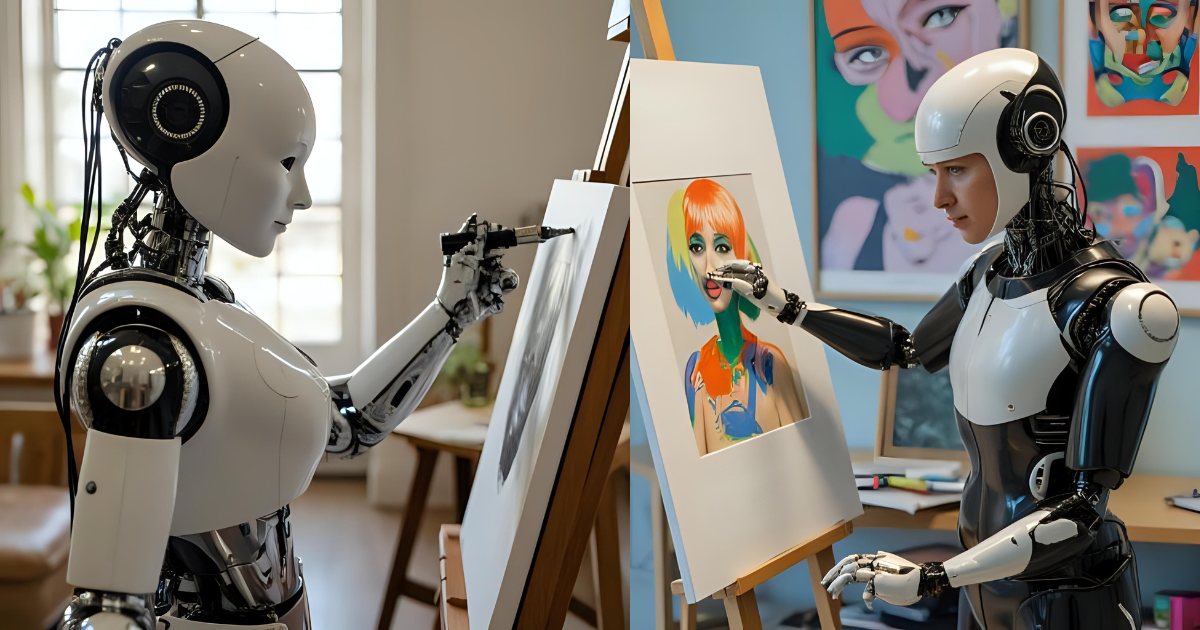
AI-powered art has exploded into the world recently, shaking up what people think creativity actually means. When I first saw a computer generate an intricate painting from a single sentence, I couldn’t help but wonder: Is this really art, or just a high-tech copycat trick?
Turns out, I’m not alone. Artists, tech geeks, and everyday folks are having heated debates about whether AI can truly create. Here’s a look at what makes this conversation so interesting and why it matters for anyone who cares about art or innovation.
How AI Became an Artistic Force
The combination of machine learning and creative tools has changed how people approach making art. Not so long ago, digital art mostly meant graphic design software or maybe Photoshop filters. Now, AI programs like DALL-E, Midjourney, and Stable Diffusion pump out visual works that often look like they came from a seasoned artist’s imagination. You can also find AI writing short stories, scoring music, or even mimicking famous painters.
These tools crunch through wild amounts of data, millions of images, songs, or texts, and learn patterns to whip up something new when you prompt them. It’s a leap from what most folks expected computers to do even five years ago.
More and more artists have started experimenting with these tools, pushing boundaries in both visual art and music. At first, there was skepticism. Did these tools take all the fun (and struggle) out of creating something beautiful? Or could they add a new spark to artistic journeys? That’s what’s at the center of this debate.
AI has challenged the definition of artist, prompting amateurs to professional creators to reconsider what makes a piece meaningful—and also who gets to claim ownership. Because these tools are evolving so fast, people are keeping an eye out to see if this is a short-term fad or an entirely new chapter in art history.
AI as an Artistic Tool: Beyond Just Automation
One of the more down-to-earth views is that AI works best as a tool, a supercharged paintbrush, camera, or musical instrument. Instead of replacing artists, it acts more like a brainstorming partner. Here’s how I see this playing out:
- Jumpstarting Ideas: Need a fresh angle or feel stuck? AI can spit out dozens of style samples or melodies, making it handy for getting past creative blocks.
- Making Art More Accessible: Folks who never studied art or music can now generate impressive pieces with simple prompts. The tech brings creativity to more people, no matter their background.
- Changing How Art Is Made: Tools like DeepDream add wild effects, while text-to-image systems translate written ideas into visuals. There are even AI beat makers for musicians wanting to break out of their usual patterns.
The comparison to a camera is pretty solid. Cameras let anyone snap an amazing shot, but that’s never erased the eye or skill of a photographer. People decide how to frame a picture or what story to tell with it. Similarly, AI offers creative shortcuts, but it’s still the human behind the keyboard deciding on meaning or direction.
When used mindfully, these tools lead to unique results that probably wouldn’t come from a machine or a human alone. AI can also give a boost to collaboration between artists from completely different backgrounds. For example, writers are teaming up with visual artists, using AI to translate words into compelling images and vice versa.
This helps people mix in some variety and bring together art forms that rarely crossed paths before. The result? More voices, more experimentation, and sometimes, a final product that even surprises its own creators.
Collaboration or Competition? Working with AI in the Studio
I’ve noticed a trend where more creative folks treat AI like a collaborator instead of a rival or a robot assistant. In this way of working, the artist still runs the show, but they might invite AI to suggest options or improvise along the way. Sometimes, this feels like jamming with a bandmate who just happens to be made out of code.
Some cool examples include:
- Interactive Installations: Digital artist Refik Anadol trained AI on the entire MoMA collection to create constantly shifting, abstract animations in his piece “Unsupervised.” The machine generates visuals in real time, inspired by hundreds of years of art history.
- Real Time Adaptation: Artists build experiences where AI changes images or music on the fly, reacting to people’s movements or feedback. It’s less about static masterpieces and more about living, breathing creativity.
What I like about this approach is the way it blurs the lines; you’re guiding the process but leaving some room for surprise and discovery. The results can end up looking or sounding like something entirely new, which makes the whole project feel more playful and less formulaic.
In some cases, the unpredictability actually inspires the artist to chase ideas they might never stumble upon on their own. This sort of teamwork underscores that AI, when used with flexibility, doesn’t work against the creative process—it supports it in new ways.
Can Machines Actually Create? The Debate on True Creativity
Not everyone’s convinced machines can really create. A lot of the pushback centers on the idea that art has always come from personal experience, emotion, and intent, things an algorithm doesn’t actually have. Here’s where the arguments get really interesting:
- No Emotions or Life Stories: AI draws from training data, not memories. Human creativity often stems from emotions, struggles, or lived experience. It’s tough for a code-based tool to create from heartbreak, joy, or nostalgia the same way people do.
- Remixing vs. Inventing: Critics say AI just shuffles existing ideas into new combos instead of dreaming up something truly never seen before. It’s quick with surprises, but there’s debate over whether that’s the same as original insight.
- Depth and Meaning: Some say that since AI doesn’t “care” about what it makes, its results can feel shallow or impersonal. Sure, AI can paint in Van Gogh’s style, but does the piece carry the same weight as something born from Van Gogh’s mind and struggles?
This isn’t just nitpicking. These questions hit at the heart of what people value in art. Even so, plenty of tech fans flip the argument. They claim AI brings its own kind of creativity—not emotional or conscious, but powerful in how it scans and reimagines the world through patterns that humans might miss.
Agreeing on what counts as “real” creativity will likely remain a personal call. But it is worth noting that some artists feel invigorated by the push to keep “human touch” in their craft, while others thrive on the new perspective that machines provide. As new tools keep rolling out, this debate is bound to keep evolving and set off fresh conversations about inspiration, authenticity, and where art is headed next.
Legal and Ethical Puzzles in AI Art
Legal confusion and ethics are a big part of the AI art conversation. Copyright law is still figuring out what to do when a machine generates something cool. In the U.S., works made strictly by AI don’t qualify for copyright. But if the output comes from a human AI team, then the person driving the process might be able to protect it legally, depending on just how much control they have.
There are a few more sticky pain points:
- Who Owns the Input: Some artists get frustrated when their own work is swept into AI training data without getting credit or permission. These datasets are gigantic, and tracking permission can get complicated.
- Unintended Bias: AI can pick up cultural or historical biases from what it’s trained on. If no one’s double-checking, new art pieces could unintentionally reinforce old stereotypes.
- Fair Use and Compensation: Some worry that AI-generated works could crowd out human-made art, especially when the tools are trained using real artists’ pieces. A big question is how to recognize or support the people whose work made the AI so good in the first place.
Anytime new tech collides with old rules, it triggers fresh debates. Artists, collectors, and tech companies are watching closely as courts and lawmakers try to set clearer boundaries. More discussion is happening about transparency; should artists and platforms say clearly when something was made by AI or list out the base images fed into the algorithms? As this field grows fast, expect lawmakers and industry groups to take a closer look at these issues in the coming years.
The Future of AI in Creative Fields
The role of AI in art doesn’t seem likely to shrink. As algorithms get better, creative partnerships between humans and machines will likely keep growing. Here’s what I’m seeing on the horizon:
- Creative Curation: Future artists might spend more time editing, curating, or tweaking AI’s raw output, almost like being an art director for a machine “intern.”
- Bigger, Weirder Projects: Some artists will keep dreaming up wild installations that use AI to respond to people in real time or create endless flows of new images.
- Broader Definitions: The idea of what counts as “art” will probably keep expanding. More folks will see creativity as something that can come from teams, partnerships, or even code-based collaboration.
- Global Inclusion: AI’s ability to lower entry barriers may allow more creators from underrepresented communities worldwide to contribute their stories and aesthetics. This may speed things up for greater diversity and richer cultural blends in digital art spaces.
Some industry insiders expect hybrid teams of humans and AI will become the new normal. Artists will lean on these digital partners for experimenting, drafting, or simply getting fresh perspectives they would never consider alone.
Education is also getting a shakeup, with art schools starting to teach students about both traditional and AI-powered techniques. Kids who grow up with AI tools may see blending digital and analog as the default, mixing in some variety in their creative toolbox from the start. These changes hint at a future where creativity isn’t bound by old-school limitations.
Practical Tips for Exploring AI Art Yourself
If you’re interested in testing or making AI art, some practical moves can keep things fun and original:
- Pick the Right Tools: Start with accessible platforms like DALL-E or Midjourney for visuals, or Magenta for music. They’re user-friendly and full of possibilities.
- Combine Approaches: Try working with both AI and traditional methods. Make a sketch, have AI finish it, or use AI outputs as inspiration rather than final results. Blend up digital and physical methods for surprising outcomes.
- Stay Curious: Experiment and don’t stress about making “perfect” pieces. Part of the appeal is seeing what collaboration with a machine can add to your voice.
- Share and Get Feedback: Post your AI art online in groups or share it with friends. Sometimes helpful advice or fresh eyes will push your project even further. Just be upfront about your process so folks know what’s handmade, what’s machine-made, or where it’s a mashup of both.
Whether you’re a professional artist or just love dabbling, AI tools are worth checking out as one more way to stretch creative muscles. They don’t replace the spark of individuality, but they can open up fresh ways to explore style and expression.
Frequently Asked Questions About AI and Creativity
Question: How does AI create art?
Answer: AI art comes from machine learning algorithms that study tons of images, music, or writing, then generate new material using patterns they’ve learned. It doesn’t “think” like a person, but it can combine styles and concepts in unique ways.
Question: Are AI-generated works protected by copyright?
Answer: Right now, U.S. law doesn’t allow copyright for works made only by AI. But if you use AI as part of your own creative process, your contribution might be copyrightable, depending on your involvement.
Question: Can anyone make AI art without technical experience?
Answer: Absolutely. Many platforms let you generate images, songs, or stories with simple prompts, no coding needed. It’s a super accessible way to start experimenting.
Question: Does AI threaten jobs for artists?
Answer: The answer is mixed. AI opens new creative options but also stirs concerns about oversupply and fair compensation. Most experts see it as a tool for collaboration rather than outright replacement, at least for now.
What AI Means For the Future of Art
AI is shaking up what people expect from creativity and collaboration. Some will say AI art just isn’t “the real thing.” Others are already using it to imagine new forms of art and storytelling. Either way, the definition of art is getting a serious update. For anyone curious or skeptical, jumping in and trying these tools firsthand can be the best way to figure out where you stand on the great “AI and creativity” debate.