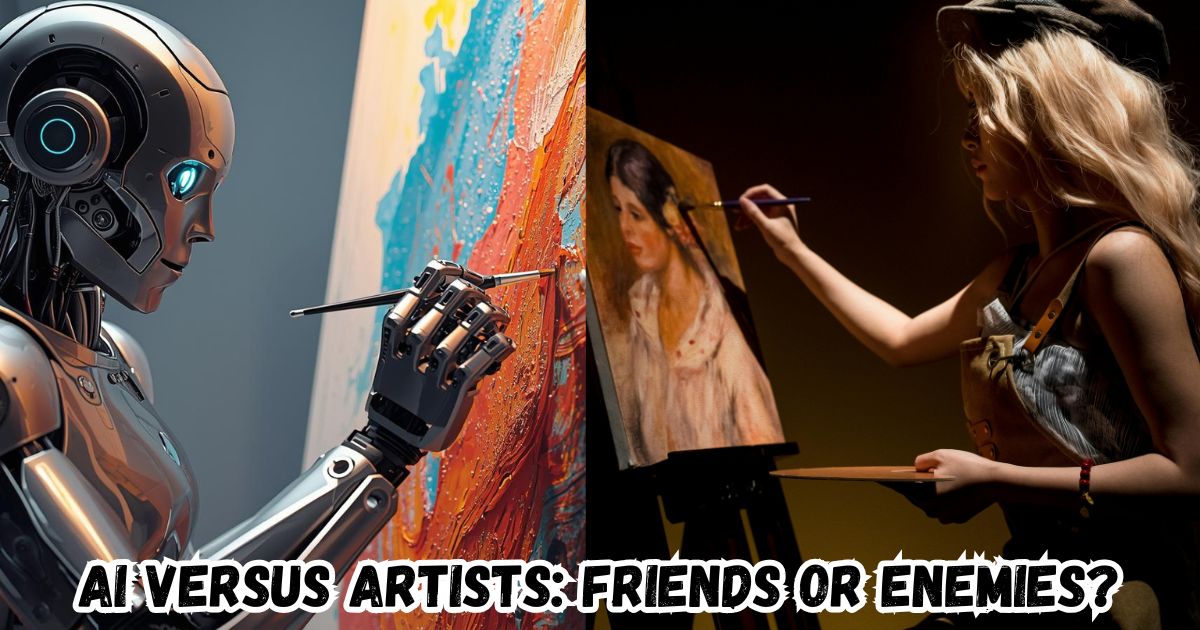
The relationship between AI and artists sparks a lot of debate, confusion, and excitement right now. Artists everywhere are facing the reality that AI can generate images, animations, music, and even written stories with just a few clicks.
There’s a lot of talk about whether AI is a helping hand or a threat, but things are rarely that simple. I see the reality landing somewhere in between; AI brings a mix of opportunities and worries that artists, companies, and everyone who loves creative work are still figuring out.
How AI Is Shaking Up the Art World
Only a few years ago, if someone told me computers would start creating impressive paintings, complex music, or intricate illustrations at the press of a button, I would’ve been a bit skeptical. Now it’s the reality. AI art generators like DALLE, Midjourney, and Stable Diffusion have made creating digital images pretty straightforward.
It’s easier than ever for anyone, no matter their background, to make something visually interesting. This new landscape looks totally different from how things used to work, and artists have some good reasons to be both curious and cautious.
For professional artists, these developments can feel a bit overwhelming. Suddenly, there’s this new tool out there that changes the way creative work is done, but it also raises a lot of questions about originality, copyright, and jobs.
Whether artists and AI end up as friends or rivals depends a lot on how these issues are handled going forward. It’s also worth mentioning that the ongoing boom in AI art has led to lively debates at galleries, art schools, and online forums, where artists share their thoughts, concerns, and creative solutions.
AI as a Creative Partner: How Artists Can Benefit
There are definitely a lot of ways AI can actually help artists, not just replace them. Here’s how I see AI working as a useful ally in the studio:
- Smashing Creative Blocks: Everyone hits a wall now and then. AI tools can suggest fresh ideas, color palettes, or even whole compositions that artists can use as jump-off points for their own work.
- Trying New Styles: AI lets creators experiment with looks and methods outside their comfort zone, whether that’s mimicking classic styles or coming up with something totally new.
- Saving Time on Repetitive Tasks: Boring, technical parts like resizing images or cleaning up backgrounds can be handled by AI, which means artists get to focus more on the creative stuff.
- Boosting Access for More People: Not everyone has had years of training, but AI lowers the barrier for folks who want to express themselves visually. More people joining in means a wider, richer art community.
There are some eye-catching real-world examples of this, too. Data artist Refik Anadol is famous for using AI to create stunning visuals that fill entire museums and public spaces. Instead of doing away with the human touch, his pieces mix programming and creative vision in new ways.
Many designers and illustrators use AI for generating mood boards, exploring color options, or just getting a fresh perspective on their work. It’s definitely more of a collaboration than a takeover.
Meanwhile, educators are introducing AI-assisted art tools in classrooms, giving students a chance to play with new techniques and explore what digital creativity can look like across cultures and communities. Artists are increasingly using AI to collaborate across disciplines—for example, teaming up with musicians, dancers, and writers to blend media and push boundaries.
Where The Tensions Start: AI as a Source of Conflict
On the flip side, I get why a lot of artists are uneasy about AI. Here are some areas where concerns are especially strong:
- Worries About Jobs: When clients can generate their own art, or companies replace illustrators with AI tools, jobs shrink. Graphic designers, concept artists, and commercial illustrators are already feeling the squeeze in some industries. Some freelance artists have seen a drop in commissions as clients try out automated solutions instead.
- Copyright and Ownership Issues: Most AI models are trained using massive datasets that include existing artwork, usually without asking the original artist. This practice brings up serious questions about copyright and art theft.
- Devaluation of Human Creativity: If anyone can churn out ‘art’ with minimal effort, there’s a worry that years of training, unique vision, and emotional labor will be overlooked, even if AI creations aren’t quite the same.
- Commodification and Predatory Practices: Art is often treated like a quick product instead of a personal creation, which means artists sometimes lose out on fair pay and control. Some AI companies have also made bold claims about ‘democratizing art’ while profiting heavily from art communities’ past work.
Plenty of artists have found their work showing up in AI datasets without being asked or paid. This kind of scraping can make people feel like their years of effort are just raw material for tech companies looking for profit. It’s tough to feel open to a tool that doesn’t treat its source community with respect.
Emotions sometimes run high when artists see AI-mimicked versions of their styles circulating online or used for commercial purposes. There are also growing efforts by artists’ unions and advocacy groups to demand stronger protections, clearer rights, and fairer compensation from technology companies creating these powerful AI models.
A Hybrid Future: Why It’s Not One or the Other
This relationship is way more complicated than just picking ‘friend’ or ‘enemy.’ Things are evolving quickly, and there are some clear patterns when I look at history. Every time new technology arrives, think about the invention of photography or digital editing, artists eventually find new ways to work with it.
While there’s often pushback, those who adapt or set the new trends can end up leading the way. Right now, some artists are embracing AI as a new medium or an assistant, but many are also calling out the need for stricter rules, fair compensation, and actual respect for creative labor.
There’s plenty of evidence that the true problem is not just about the technology itself, but about how it’s commercialized and the lack of strong, enforceable ethical standards. So far, the most balanced future looks like one where AI is a partner; sometimes speeding up workflows, sometimes inspiring new ideas, and sometimes challenging what art means.
But for this to truly work, artists, companies, and lawmakers all need to work together and make sure protections keep pace with progress. As AI and human creativity blend more often, the art world is entering a phase that could lead to entirely new forms of expression, visual storytelling, and community interaction around art.
Common Challenges Artists Face with AI
Getting into AI comes with its own set of troubleshooting moments. Here are a few issues that tend to pop up often for artists, along with how they’re being approached lately:
- Loss of Attribution: Sometimes it’s hard to tell where an idea comes from when AI pulls from millions of images. Efforts are being made to create systems that trace AI image outputs back to the original works or artists, but this is still a work in progress. Some platforms now let artists label their work to improve transparency and help audiences spot the original creator.
- Style Mimicry: When AI can copy a specific artist’s style exactly, it blurs the line between inspiration and outright imitation. Some platforms now offer ‘opt-out’ choices for artists who don’t want their work included in training data, and legal advocates are pushing tech developers to respect these preferences.
- Legal Gray Areas: Rules around AI-generated content aren’t settled yet. Artists looking to protect their work will want to pay attention to how copyright laws evolve, and maybe push for more transparency from companies using creative datasets. In some countries, discussions around AI-specific copyright protections are underway, highlighting the need for international standards.
- Feeling Left Behind: Tech moves fast, which can leave folks out of the loop. Connecting with a community, joining workshops, or just experimenting with these tools can help build confidence and keep skills fresh. Online forums now often include step-by-step guides and peer support for artists new to AI.
No single fix solves all challenges, but staying informed, involved, and connected with other artists is a good way to get ahead of the curve. Artists are also actively sharing resources and tips for protecting their work, finding new revenue models, and building supportive networks amid changing industry standards.
Advanced Ways Artists Are Using AI
For those already comfortable in their workflow, AI opens up a bunch of advanced creative techniques:
Collaborative Installations: Some artists work alongside programmers and machine learning experts to create interactive installations or digital murals. This teamwork brings a new level of complexity and excitement. These projects often appear in museums, galleries, and public spaces, encouraging audiences to interact with both the art and the technology behind it.
Generative Music and Animation: AI isn’t just good with images; it can generate background music, soundscapes, and video effects as well. Experimenting in these areas can take projects from good to next-level cool. Musicians and visual artists are teaming up to produce multimedia performances that break traditional boundaries.
Algorithmic Compositions: Artists sometimes train custom AI models using only their own works or styles. This lets them guide the final results in ways that reflect their own voice and vision. Personalized AI tools are helping artists explore variations of their signature look, create series based on their unique motifs, or produce themed collections more efficiently.
These approaches aren’t about replacing the artist; they’re about expanding what’s possible with a familiar set of skills. As artists keep teaming up across disciplines and exploring digital frontiers, AI is making room for both innovation and tradition to meet.
What Should Artists Consider Before Working with AI?
Before getting into it, here are a few things worth thinking about:
- Control Over Output: Using AI art generators means sometimes giving up a bit of control. Tinkering with settings and learning about prompt writing can help steer things closer to your intent. Creative trial and error goes a long way in mastering these tools.
- Transparency from Tech Companies: Tools that are clear about where their data comes from usually treat artists more fairly. I find it’s worth supporting companies that credit or compensate artists for their work. Some companies now even offer royalties or acknowledgment in public showcases.
- Developing Your Own Style: Standing out matters even more in an AI-rich world. Leaning into personal touches, story, and handcrafted elements can help keep your work unique and valued. Combining traditional techniques with AI output appeals to audiences who care about authenticity and process.
- Community Connections: Participating in discussions, online collectives, and advocacy groups can give artists a stronger voice in shaping the future of creative tech. Social networks and forums for digital artists often have sections dedicated to AI, where information and support are shared regularly.
FAQs: Navigating the AI and Art Relationship
Q: Can AI really create original art?
A: AI can generate impressive results, but its ‘creativity’ depends on patterns it learned from existing work. The spark of true originality and meaning usually still comes from a human, either guiding or adapting the output.
Q: Is it worth learning how to use AI art tools?
A: Even if you’re not planning to switch to AI-driven work, having some familiarity with these tools can be super useful. It keeps your skill set fresh and can open new doors for collaboration.
Q: How do I protect my artwork from being used to train AI?
A: You can consider watermarking your work, opting out where possible, and joining groups working for better copyright rules. Nothing is perfect yet, but these steps can help you stay more in control.
Q: Can AI help me learn new art skills?
A: Absolutely! AI-powered tutorials, critique tools, and simulation platforms can give you instant feedback or suggestions as you practice. These tools work best as supplements to more traditional ways of learning, not as total replacements.
Q: What about ethical concerns in using AI-generated art?
A: This is a hot topic. Many artists encourage transparency about how work is created, giving credit where it’s due, supporting open communication with collaborators, and thinking about the impact of AI on art communities. Keeping these issues in mind goes a long way in building trust and respect around AI art.
What the Future Could Look Like
Artists and AI are probably stuck together for the long haul. Whether that’s a headache or a boost really depends on how the next few years play out. A mix of creativity, open-mindedness, and advocacy will help artists get the most from this new tech while pushing back against unfair practices.
My guess? We’re looking at a future where collaboration, thinking outside the box, and protecting creative voices all play a role. It’s a good time to experiment, learn, and get involved; just keep your eyes open for both the promises and pitfalls as the landscape continues to mix it up.