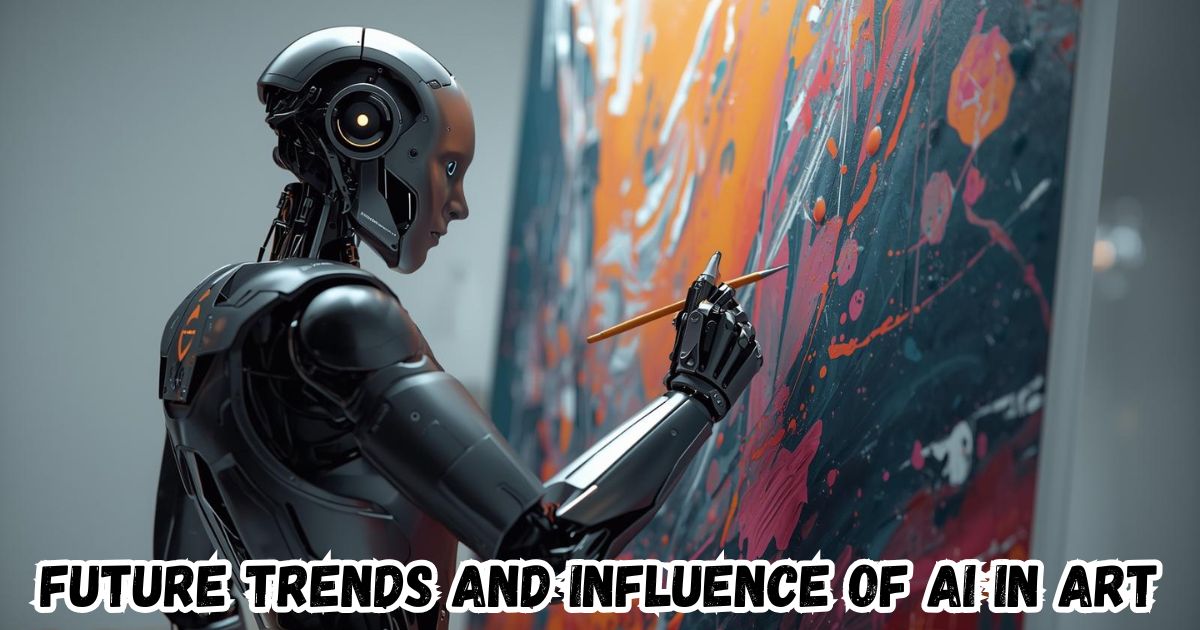
Artificial intelligence is expanding its reach fast, and the art world is feeling the changes in some pretty exciting and unexpected ways. AI has gone from a behind-the-scenes tool to a creative partner, shaking up how artists create, how galleries sell, and even how we judge and experience art.
With so many possibilities and questions swirling around, I’m going to walk you through the main areas where AI’s growing presence is changing the art world right now and where things seem headed next.
AI as a Creative Partner in Artistic Process
AI isn’t just used for tidying up photos or sorting collections anymore. Artists are starting to work with artificial intelligence like they would with a collaborator. A neat example is how contemporary artists like Refik Anadol use generative AI models to produce mind-bending visual installations, often based on huge datasets. Think city sounds, weather, and even brain scans.
I’ve seen a lot of creators using tools like Midjourney, DALLE, and Adobe Firefly to brainstorm new ideas or generate initial sketches. It’s almost like having a digital copilot in the studio who can spit out dozens of options in seconds.
Whether you’re dabbling in motion graphics or watercolor illustrations, these AI systems hand you new ways to experiment with shape, color, or even entire visual styles that would take ages by hand. What’s more, as these tools become more accessible, artists are able to unlock their creativity without being limited by traditional technical skill, allowing for a broader and more democratic approach to generating art.
- Speedy experimentation: AI lets artists quickly mock up variations, helping to break through creative blocks or refine concepts.
- Hybrid techniques: Many artists blend hand-drawn or painted work with AI-generated textures or forms, creating art that’s really tough to label as fully “handmade” or “machinemade.”
- New art forms: Generative art, algorithmic installations, and even AI music compositions are showing up in galleries and online exhibitions all around the world.
On top of that, AI’s ability to process and reinterpret vast volumes of existing visual material means artists can challenge what we consider “originality.” The conversation around creativity in the AI age is less about inventing from scratch and more about remixing, reimagining, and curating in fresh new ways.
Shifting the Art Market and Art Sales
AI is making big waves in the way artworks are bought, sold, and valued. Auction houses, including Christie’s and Sotheby’s, have sold AI-generated art for six-figure amounts. For example, the 2018 sale of “Portrait of Edmond de Belamy,” which was created using a generative adversarial network (GAN), grabbed a lot of attention because it showed collectors are taking this new creative approach seriously.
Some cool online marketplaces have popped up that focus mainly on AI-generated work. Platforms like MakersPlace and Artsmart AI provide a space for digital and AI artists to sell their pieces, sometimes alongside NFTs that help prove authenticity and ownership. For collectors and artists alike, this is bringing new kinds of buyers into the mix, especially those who might never have set foot in a traditional gallery.
One of the best things, in my opinion, is how accessible AI has made art creation. If you’ve never put brush to canvas, you can still create intriguing visuals using text prompts. This has opened up the market to a whole new group of creators and has definitely made things more competitive on digital art platforms.
As the presence of AI art continues to spread, even established artists are exploring these tools to keep their work fresh and reach new audiences. Digital art marketplaces are adapting, offering AI-optimized search and curation tools so buyers can track down styles or themes that match their collections with ease.
- Low barrier to entry: AI art generators let anyone with an idea turn it into a fully realized digital piece with little technical skill required.
- More art, faster: The influx of new creators and art could mix up what’s considered “valuable” or “rare.”
- Dynamic pricing: Because AI art can be easily reproduced or slightly tweaked, pricing and collecting strategies are changing pretty quickly, too.
The sheer volume and velocity of AI art production mean collectors and curators must rethink what makes a piece special and how to spot originality. Whereas rarity once held supreme value, now context, creative input, and cultural relevance are playing a bigger role in shaping demand and price for digital artworks.
Preserving and Studying Art with AI Tools
The behind-the-scenes impact of AI might actually be even bigger when it comes to preserving, restoring, and studying art. Museums and conservators are using AI to help solve problems that would usually take a team of experts ages to figure out. These digital tools not only speed up the process but also make it easy to handle large collections with more accuracy and less labor.
Some projects use AI to reconstruct damaged parts of historic paintings, predicting the original colors or details using hundreds of data points from other artworks by the same artist. There are also AI systems designed to scan for forgeries, comparing subtle details like brushstroke patterns or pigment composition, making it harder for fakes to sneak into museum collections.
For academics and historians, AI is making it easier to scan, translate, and catalog old documents and artworks. For example, natural language processing tools are being used to digitize and make sense of handwritten letters and exhibition catalogs from centuries ago, making research more efficient than ever. With AI, long-lost or unidentified works can sometimes be matched to known artists, filling historical gaps in a matter of minutes rather than decades.
- Restoration advantage: AI helps restore missing areas with great detail, saving delicate or incomplete works for future generations.
- Forgery detection: Algorithms spot microlevel inconsistencies that even the best expert eyes might miss.
- Cataloging and research: Digitizing massive archives makes academic study way easier—sometimes with translated text or automatic cross-referencing features.
AI has also started to play a role in making art collections more accessible worldwide. Automatic tagging, translation, and digital preservation mean that important pieces can be shared online, opening doors for scholars, students, and art lovers everywhere.
Changing How We Experience and Judge Art
It’s not just artists and galleries that are feeling the AI switch. Museum and gallery visitors are getting a much more personalized experience, too. Some museums now use AI-powered recommendation engines, sort of like how Netflix suggests new shows, to customize your visit and show you pieces you’re likely to find interesting.
I’ve also noticed that curators are tapping into AI-based analytics that scan trends in art history or track how viewers respond to different artworks. For example, AI can analyze eye tracking and body language data to figure out which pieces attract the most attention and why. This helps shape which types of works get displayed in the future.
On the critical side, there’s some buzz about whether an AI can act as an unbiased art critic. While it can’t replace a human’s emotional response, AI is pretty good at identifying details, technique, or even historical influences that a glance might miss. That said, it’s still hotly debated whether art criticism is something a nonhuman intelligence should or could ever really own.
- Personalized recommendations: Visitors get museum or gallery tours tailored to their taste, making art more accessible.
- Audience feedback: Real-time data helps curators create more engaging exhibits.
- AI critique: Offers objective analysis but stirs debate about what makes art meaningful in the first place.
With immersive technologies like AR and VR combining with AI, visitors can now step inside digital recreations of historical moments, interact with virtual exhibits, or participate in workshops led by AI-driven guides. These experiences are shaping the future of museums, where the boundaries between physical and digital art encounters blur.
Hot Ethical Topics and Practical Questions
AI’s growing role raises a bunch of tricky questions for artists and art lovers alike, with conversations that aren’t always easy to settle. Here are a few of the big ones I see folks wrestling with lately:
- Authorship: If an artist collaborates with or just directs an AI tool to make art, who owns that piece? The creator, the coder, or the person who wrote the prompt?
- Copyright issues: A lot of AI systems learn from images scraped off the internet without permission. Artists are pushing for clearer “opt-out” rights or compensation if their work is used to train a commercial AI model.
- Bias and representation: If the original data has biases, like about race, gender, or culture, AI systems can end up repeating or even making those issues worse in the art it creates.
- Skill devaluation: Now that anyone with a laptop can generate what looks like a professional piece, questions come up about the value of traditional skills or years of training in a craft.
In the US, the Copyright Office says purely AI-generated works aren’t eligible for copyright unless there’s a clear, substantial human touch involved. Legal and practical considerations are still catching up, so this is definitely an area to keep an eye on. As more jurisdictions wrestle with these questions, expect to see new guidelines emerge that protect artists’ rights while also fostering creativity and open access.
Some artists are responding by experimenting with forms of AI art that directly engage with these ethical questions—making their creative process or dataset selection part of the work itself. AI’s transparency and traceability are becoming part of the narrative, prompting viewers to reflect on who or what should be credited and celebrated in this evolving landscape.
What the Future Looks Like for AI and the Art World
I think the future holds more hybrid creativity rather than full-on replacement of human artists. Collaboration between human imagination and AI speed or randomness unlocks artistic territory that neither could reach alone. Artists skilled at working with AI—knowing its strengths, limitations, and creative quirks—will likely keep pushing art in directions we haven’t even thought of yet.
Legal frameworks and best practices will probably get clearer, especially as artists demand more control over how their old work is used for training. The market will keep evolving, from how collectors value originality to how museums justify showing AI-generated pieces next to centuries-old classics.
Overall, working together with AI opens up exciting new possibilities, but it’s smart to stay alert to the ongoing conversations about fairness, ownership, and ethics. If you’re someone who loves making or appreciating art, exploring AI’s role is only going to get more interesting from here on out. Artists and audiences alike will be at the heart of this next-level cool adventure, as creativity adapts and grows in the era of AI.
Frequently Asked Questions
Question: Can AI truly be creative, or is it just copying existing art?
Answer: AI can produce original combinations and styles using tons of source material, but it doesn’t “feel” inspiration like a human. Think of it more as a tool for remixing and exploring concepts than having its own creative drive.
Question: Do I need coding skills to make AI art?
Answer: Not really. Many tools have user-friendly interfaces where you can type a text prompt and let the AI do the hard work. If you want to dig into it, a little code can unlock custom features, but it’s definitely not required to get started.
Question: What’s stopping someone from copying my work using AI?
Answer: This is a real concern. While websites and courts are still figuring out the rules, artists are asking for protections. Some platforms offer digital watermarking or content authentication tools to help prove originality, but it’s still a work in progress.
Question: How do museums decide what AI art to collect or display?
Answer: Museums weigh artistic innovation, cultural relevance, and sometimes public interest. Being a new field, curators are looking at both technical and conceptual contributions when evaluating AI-generated works.